
Embracing Slow Living as a Mom: Decluttering Your Schedule and Your Home
Tired of the constant hustle? Discover how embracing slow living can help you declutter your…
In our modern, fast-paced culture, we are constantly pushed to do more, buy more, and run faster. Homemaking has often been reduced to an overwhelming, never-ending chore list that needs to be checked off as quickly as possible. We find ourselves multitasking, which leaves us feeling deeply exhausted, disconnected, and burnt out in our own homes. But what if we chose a different path? What if we embraced slow homemaking?
Slow homemaking is not about being lazy, keeping a messy house, or checking out of modern conveniences. It is a mindful, peaceful approach to managing your home with joy, simplicity, and intention. It is about transforming your household tasks from mindless, frustrating chores into meaningful daily rituals that bless your family. By slowing down the physical pace of your work, you regulate your nervous system and create a serene haven of rest for your family.
At its core, slow homemaking values quality over quantity, connection over perfection, and peace over pace. In our production-obsessed culture, a clean house is often viewed as the ultimate trophy of a successful mother. But slow homemaking invites you to focus on the process rather than just the final product. By changing your mindset, you can find a deep sense of calm in ordinary daily chores, like washing dishes, kneading dough, or folding laundry.
Instead of viewing a sink full of dirty dishes as a personal failure or an annoying interruption, slow homemaking invites you to see it as a physical symbol of a well-fed family. When you approach these tasks with gratitude and presence, the physical act of cleaning becomes a form of active meditation and prayer. This mental shift transforms your entire day, moving you from a state of anxious rushing to a state of calm presence.
Living in a state of constant rush has massive physical and psychological consequences. When we rush through our daily tasks, our bodies release cortisol and adrenaline, which are the hormones responsible for our “fight or flight” stress response. Over time, high cortisol levels lead to chronic fatigue, severe brain fog, irritability, and eventual Mom Burnout.
By slowing down the physical pace of your homemaking work, you send a powerful signal to your vagus nerve that you are completely safe. This activates your parasympathetic nervous system, lowering your heart rate and soothing anxiety. A calm homemaker naturally fosters calm children. When you establish slow, cozy rhythms in your home, you set an emotional thermostat of peace and safety for your entire household.
Transitioning from a fast-paced lifestyle to a slow homemaking rhythm takes practice. Do not try to change your entire life overnight. Start by implementing these five simple, high-impact foundations in your household:
A cluttered home leads directly to a cluttered, anxious mind. Every object in your house demands your active attention, energy, and time to clean, organize, and manage. Spend 15 minutes a day purging items that no longer serve your family’s needs. Focus on clearing flat surfaces like kitchen countertops, entryways, and dining tables first. Reducing “visual noise” instantly makes a space feel peaceful, peaceful, and cozy. For deeper support, read our compassionate guide on managing Depleted Mother Syndrome and clearing space for emotional recovery.
Instead of relying entirely on processed convenience foods, embrace the slow, rewarding joy of scratch cooking. Baking a fresh loaf of sourdough bread, simmering a pot of homemade chicken soup, or creating delicious treats with your kids is a wonderful way to slow down. For a beautiful family activity, explore our popular guide on Crafting Beautiful Fall Cookie Jars. Scratch cooking engages all five senses, turning the physical act of preparing dinner into a satisfying, slow ritual of love.
Rigid daily schedules are easily broken by the unexpected realities of parenting, leading to frustration and guilt. Rhythms, on the other hand, are flexible flows of the day. Create a warm morning rhythm and a cozy evening rhythm that leave plenty of room for pauses, play, and emotional connection. Allow your day to have a natural inhale and exhale, prioritizing the relationships inside your home over a strict clock-based timeline.
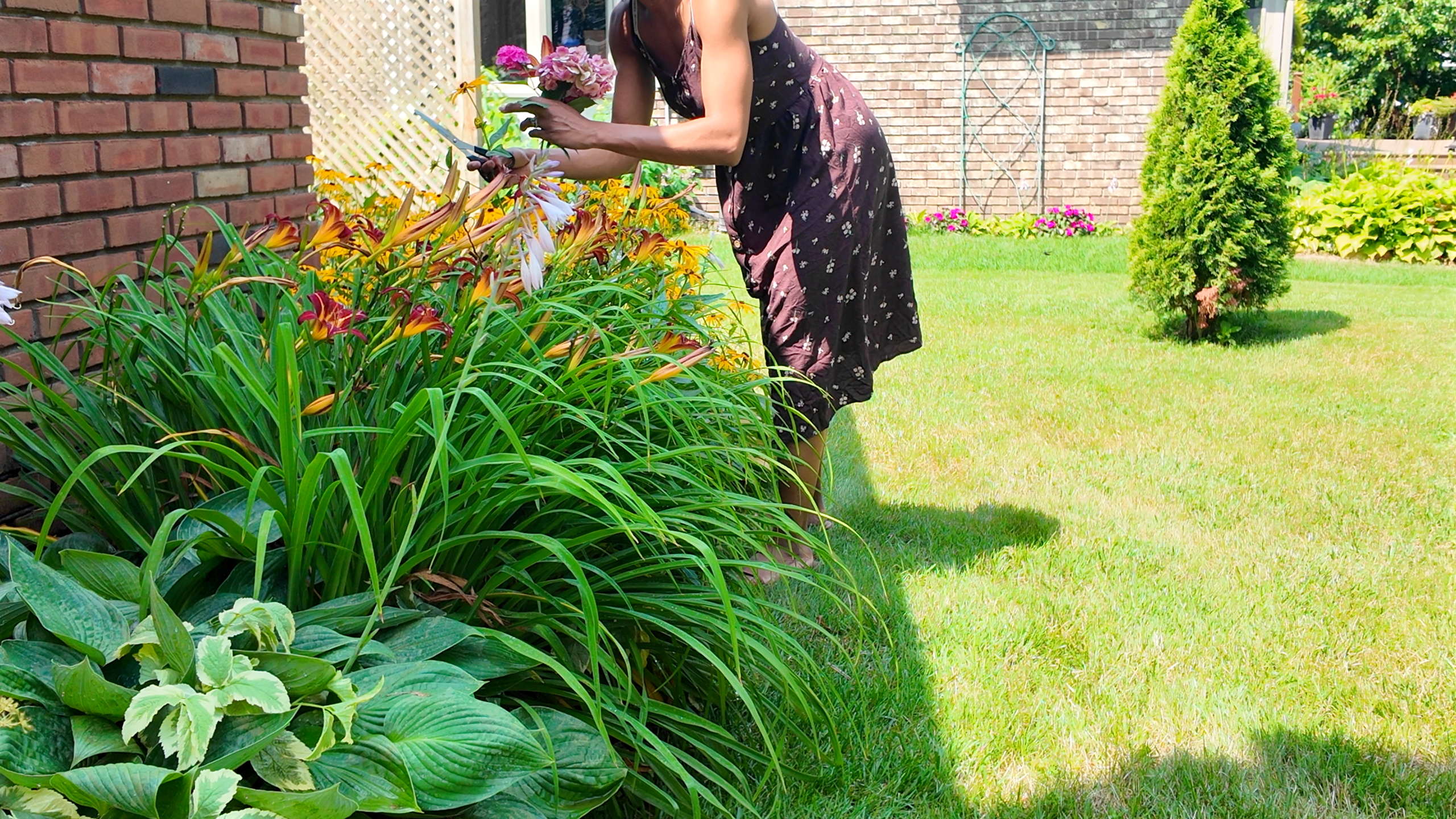
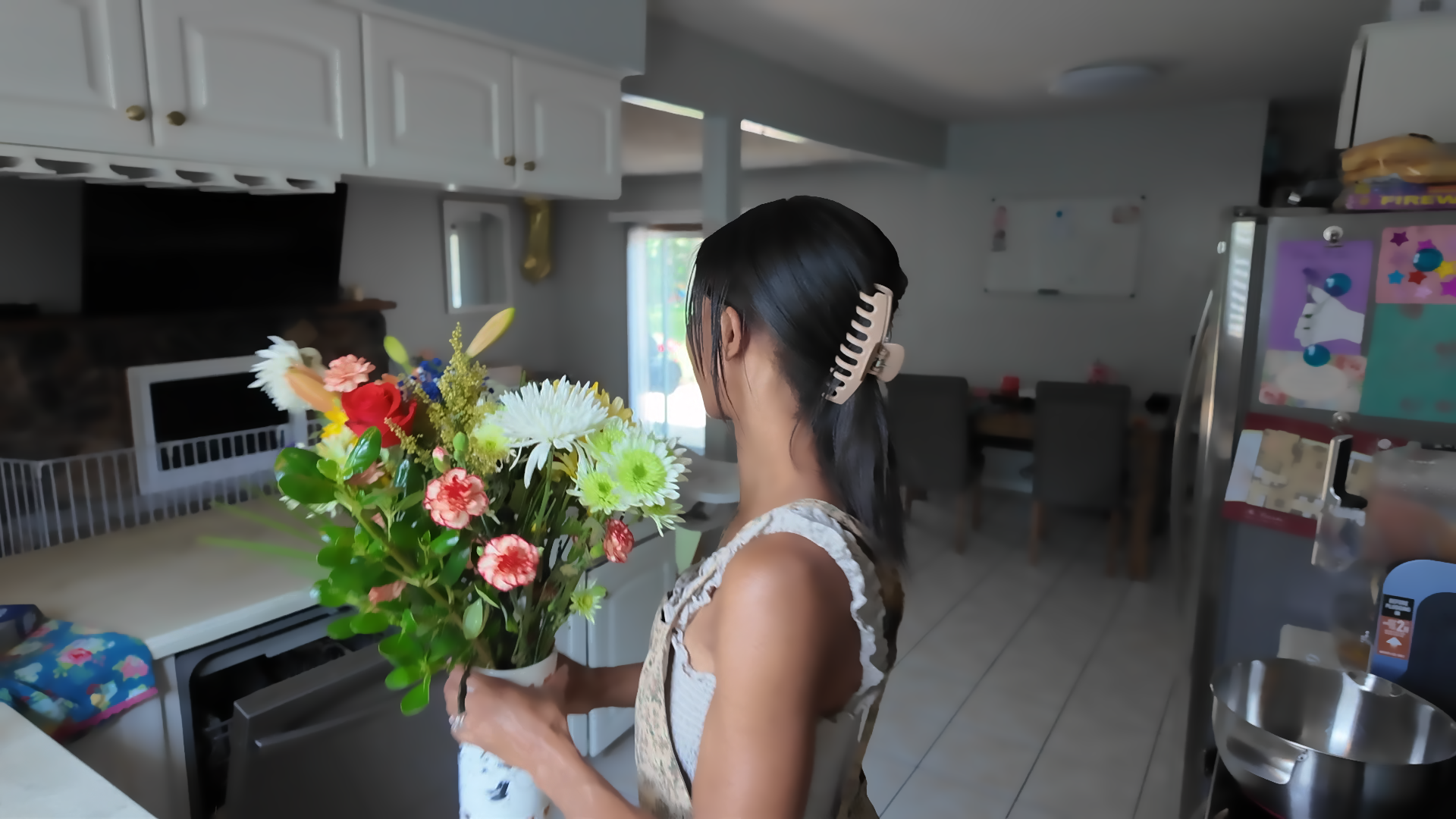
Connect your home to the beautiful rhythms of nature. Open your windows every morning to let in fresh air and natural breezes. Fill your living rooms with green plants, fresh flowers, and simple seasonal decorations. This simple, highly budget-friendly styling practice immediately fosters a serene and grounding environment that regulates your family’s mood.
A clean house is wonderful, but a connected family is essential. Don’t let a clean floor prevent you from sitting down on the rug to play with your kids or building a cozy blanket fort. Protect your marriage by nurturing your relationship with your spouse amidst the busy years of parenting. For sweet, budget-friendly ideas, read our popular list of 30+ Stay At Home Date Ideas for Christian Parents to keep your marriage strong, joyful, and deeply connected.
In his letters, the apostle Paul encourages believers to do everything in the name of the Lord Jesus with gratitude. When we apply this spiritual truth to homemaking, the physical acts of scrubbing, sweeping, and folding are transformed into holy actions of worship. We can pray over our laundry as we fold it, asking God to wrap the wearer in His love and protection. We can sweep our floors while praying that any anxiety or discord is swept away from our family. This beautiful, slow approach turns your everyday homemaking routines into a continuous, grace-filled prayer.
To help you put slow homemaking into practice, here is a simple, room-by-room guide to cultivating simplicity, mindfulness, and sensory joy in your daily environments:
The kitchen is the natural sanctuary of the home. Slow down by turning dishwashing into a soothing evening ritual. Light a small candle on the windowsill, play warm acoustic jazz, and enjoy the physical sensation of warm water and organic lemon-scented soap on your hands. Avoid rushing through clean-up. Wipe down the stove with gratitude, remembering the nourishing meals that were prepared there for your loved ones.
The living room should be designed for comfort and conversation, not performance styling. Declutter all surfaces, leaving only books that inspire you, plants that bring life, and cozy blankets that invite rest. Avoid turning the television on as background noise; instead, play soft classical music or let the quiet fill the room. Encourage your family to gather here for reading, board games, or tech-free conversations.
Your bedroom should be an absolute sanctuary of peace away from the demands of parenting. Keep it strictly decluttered—do not allow laundry baskets, work files, or children’s toys to live in this space. Choose warm, natural linen bedding, and keep the lighting dim and warm in the evening. Making your bed slowly every morning is a simple, slow homemaking ritual that signals order and rest to your mind.
Laundry is one of the most overwhelming chores for mothers. Slow homemaking invites you to establish a slow, daily laundry rhythm. Instead of letting laundry pile up into a massive, stressful weekend mountain, wash one small load every morning. Enjoy the sensory experience of folding warm, fresh-scented clothes, turning it into a slow, quiet time of prayer and gratitude for the healthy family that wears them.
Depending on your current stage of life, slow homemaking will manifest in different ways. If you have young toddlers, your slow homemaking might mean including them in simple chores like wiping the baseboards with wet socks or sorting socks by color. If you are a working mom, it means prioritizing a peaceful 10-minute transition when you return home—lighting a candle, taking off your shoes, and taking three slow breaths before stepping into your evening routines. Slow living is highly flexible; it adapts to the unique needs of your home and family, anchoring your everyday activities in deep joy, simplicity, and grace.
Waking up to a chaotic, messy home is an immediate trigger for morning stress. To protect your mornings, establish a simple, peaceful 10-minute nightly reset routine with your family. Gather everyone together to put away toys in designated baskets, wipe down the kitchen counters, run the dishwasher, and prep the morning coffee. Having clean, serene spaces to greet you in the morning is a game-changer for your emotional health and productivity.
If you are a working mom or manage a busy schooling schedule, slow homemaking is still highly realistic and deeply beneficial. It is not about spending hours every day on chores, but about changing your relationship to the chores you must do. When you have only 20 minutes to clean, do it with full presence, slow breaths, and single-tasking focus. Turn off the background noise, light a candle, and enjoy the physical sensations of restoring order to your cozy home.
Slow homemaking is a beautiful, lifelong journey of grace. It is a daily decision to choose peace and simplicity over frantic, modern hustle. As you slow down and find joy in the daily rhythms of running your home, you will create a stunning sanctuary of rest that welcomes your family and friends with open arms. Your home will become a haven of peace, grace, and life-giving security in a chaotic world.

